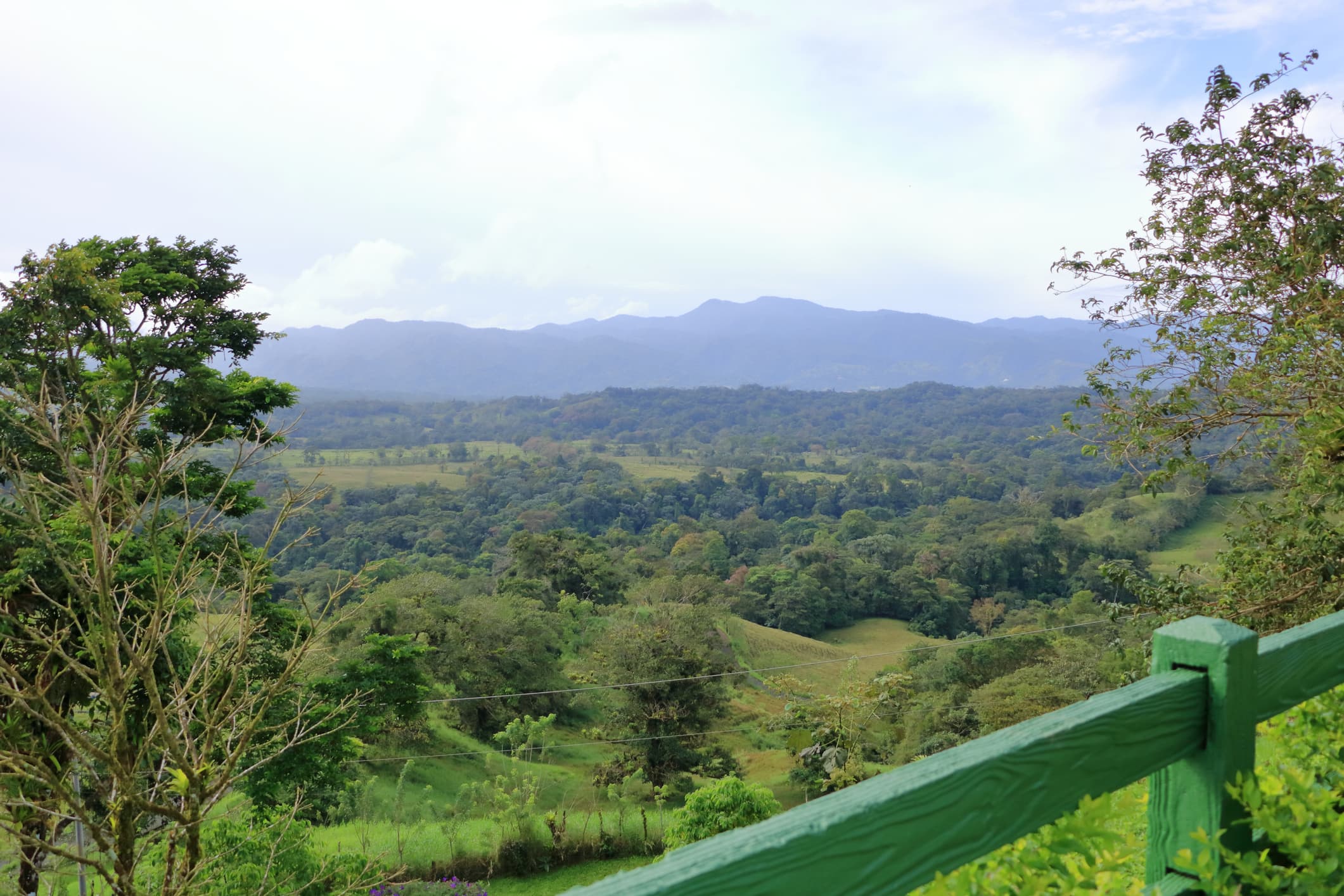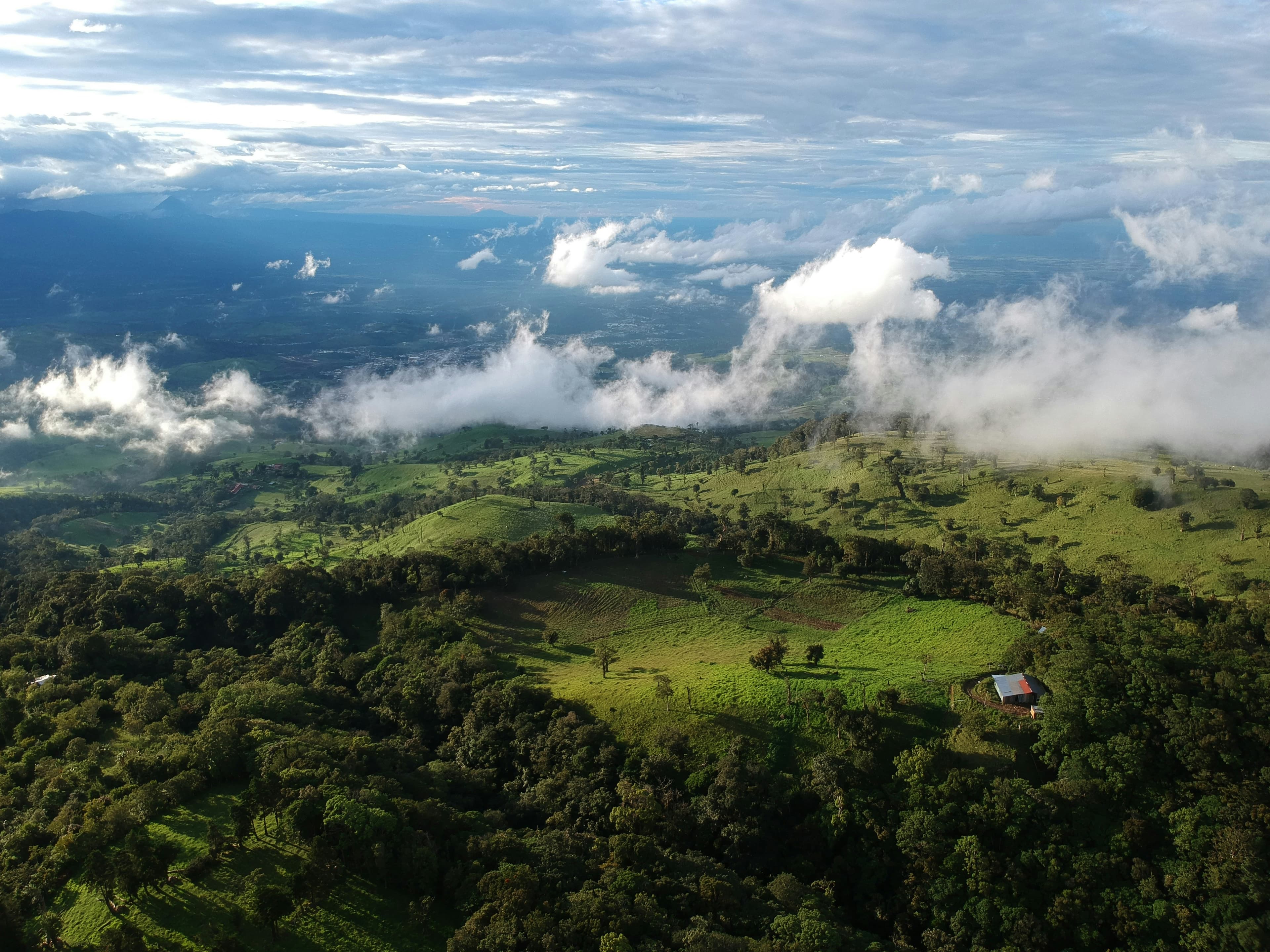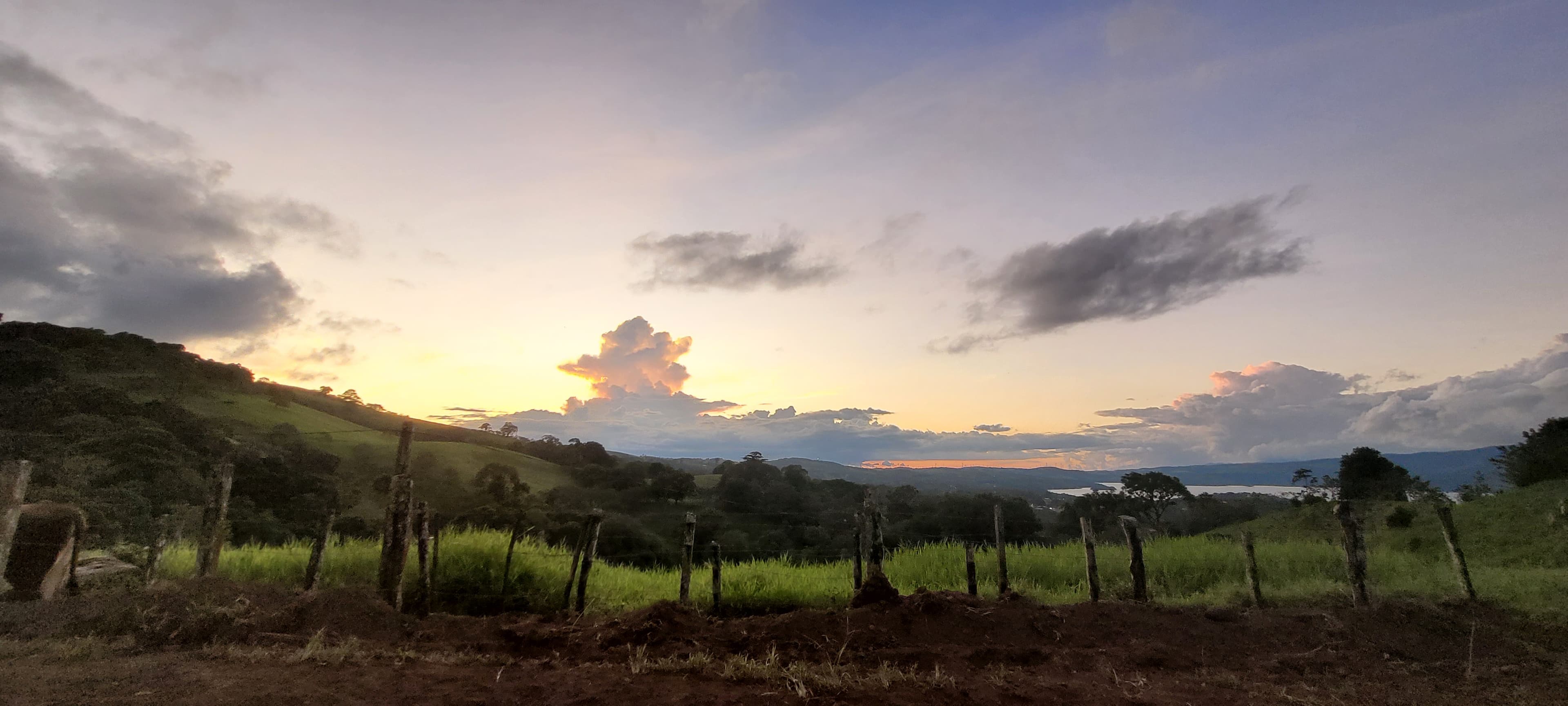
Ask tourists and locals alike about what constitutes the Northern region of Costa Rica and you will often hear “everything” or conversely “everything else”. This is because this region is one of the most diverse areas of the country in terms of weather, topography, and diversity and is comprised of sections of Alajuela, Guanacaste, and Heredia provinces up to the Nicaragua border.
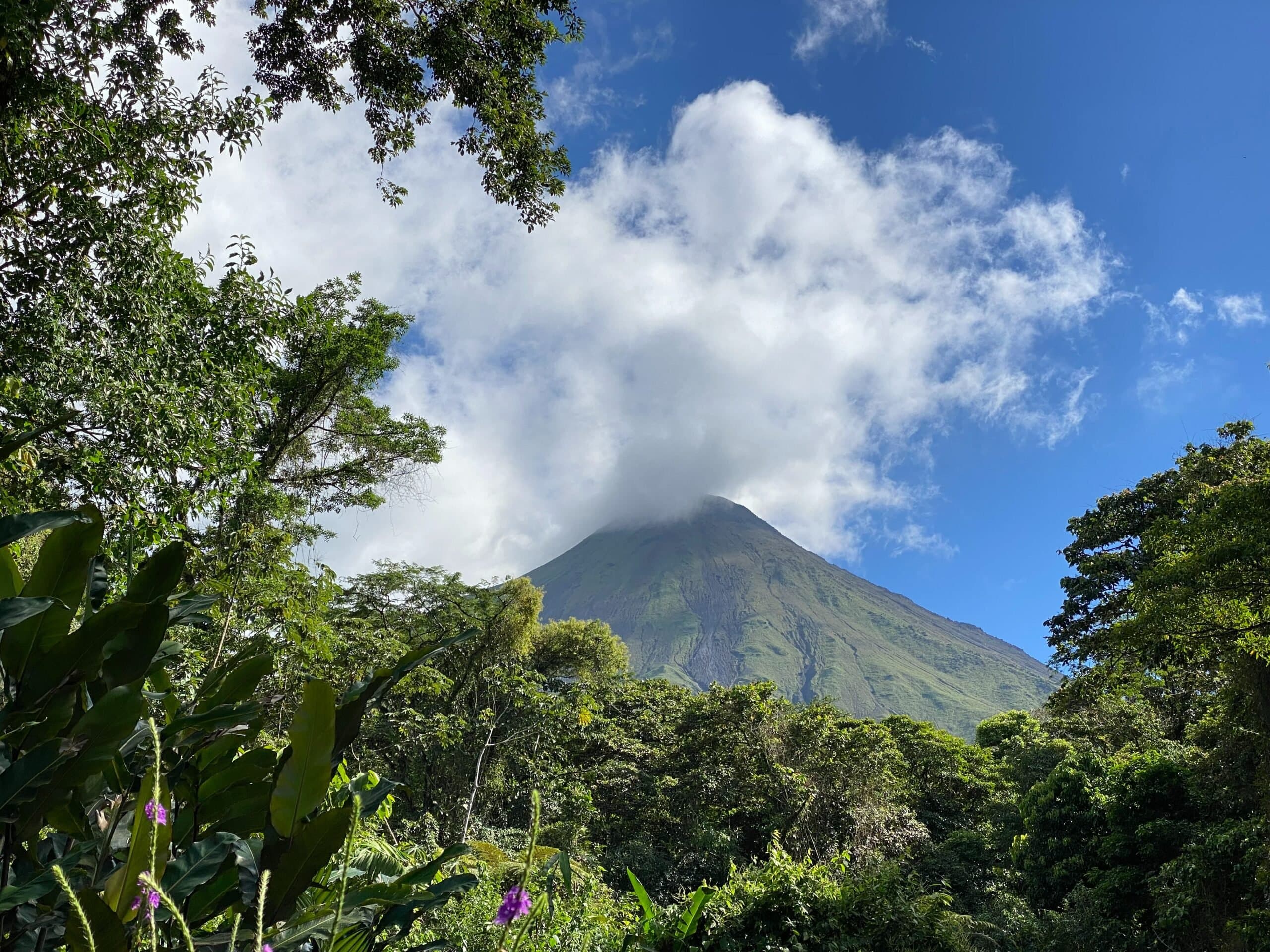
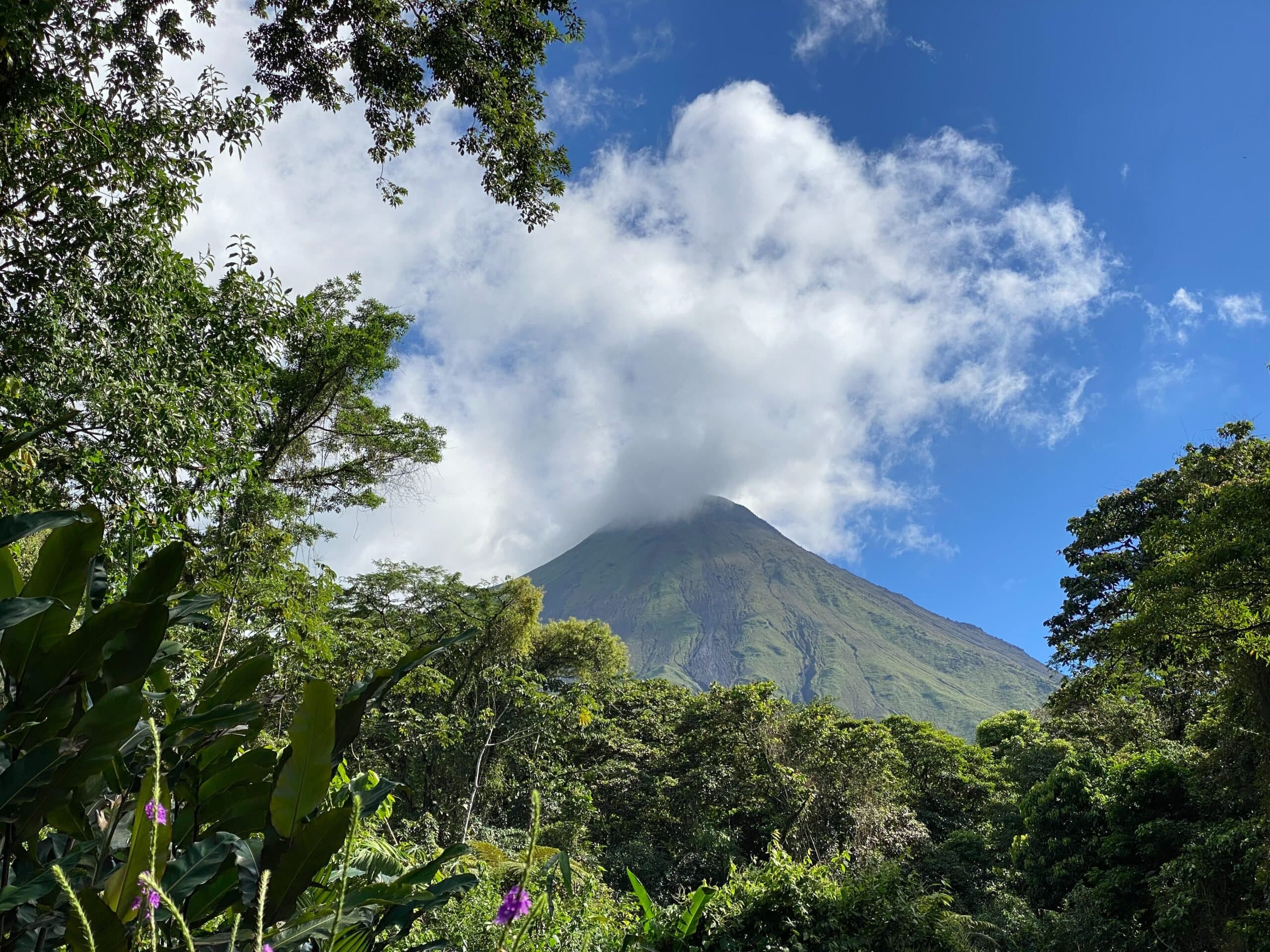
The Northern region (also known as “Región Norte” or “Huetar Norte“) is an agricultural heartland, with vast diversity and density of agricultural products grown (crops) and raised (cattle). The area is known for some of the country’s most breathtaking sights, including Arenal, Miravalles and Tenorio Volcanos, Monteverde Cloud Forest, Río Celeste, and the Sarapiquí River (a tributary of Río San Juan, which denotes the border between Costa Rica and Nicaragua).
Northern Costa Rica is a haven for nature enthusiasts and thrill-seekers, offering a vast range of tours and activities. From nature walks, hikes, birding tours, and wildlife reserves in the region’s tropical and cloud forests, to a vast array of adventure opportunities including zip-lining, mountain biking, white-water rafting, kayaking, and canyoning. Lake Arenal also is known to have some of the best windsurfing and kitesurfing in the hemisphere. And, after a day of exhilarating tours, visitors can unwind in geothermal hot springs or get massages at one of the numerous boutique hotels in the region, including in expat and tourist destinations such as La Fortuna, which has the largest international community in the area and Nuevo Arenal, which features uniquely European mountain vibes.
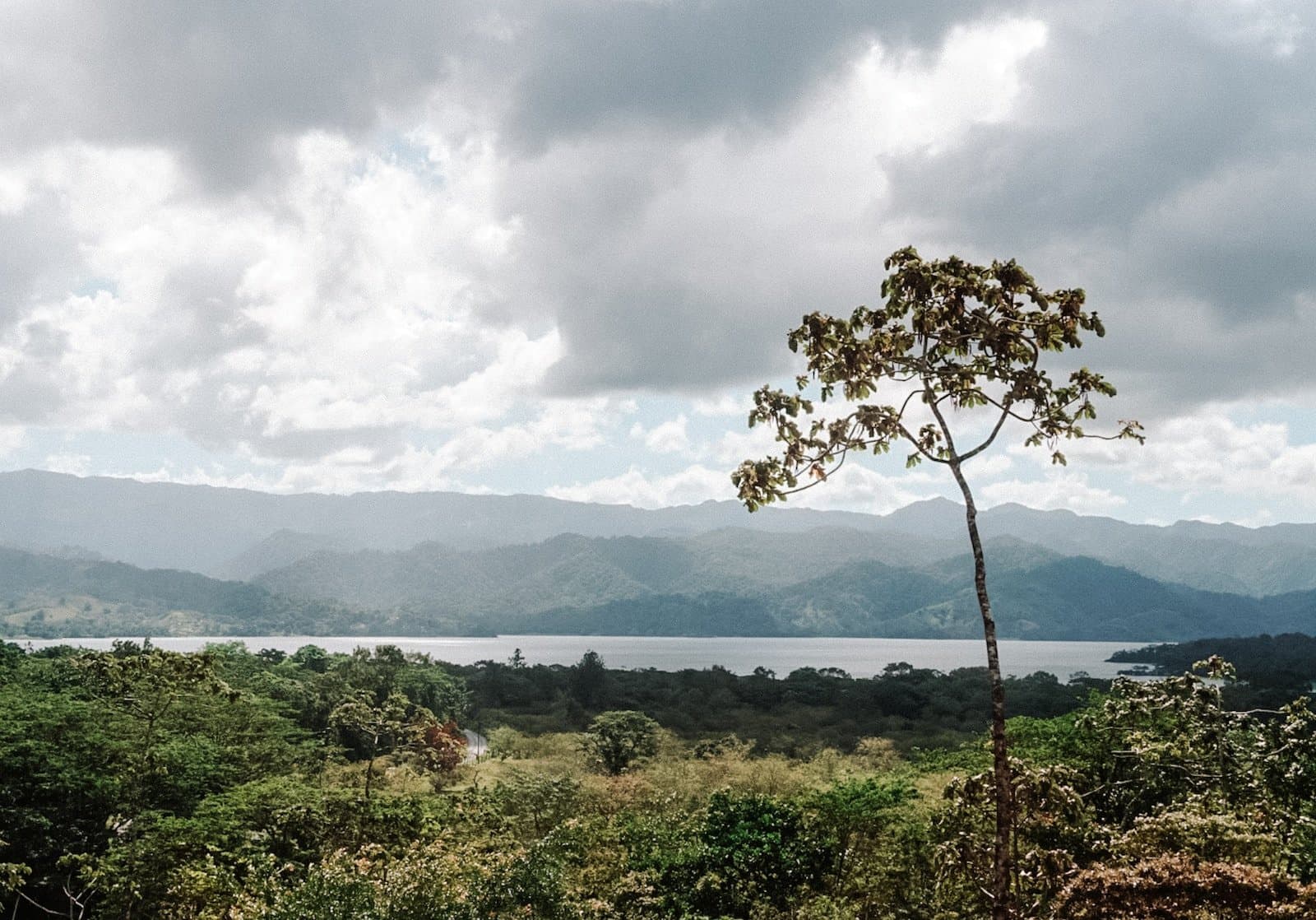
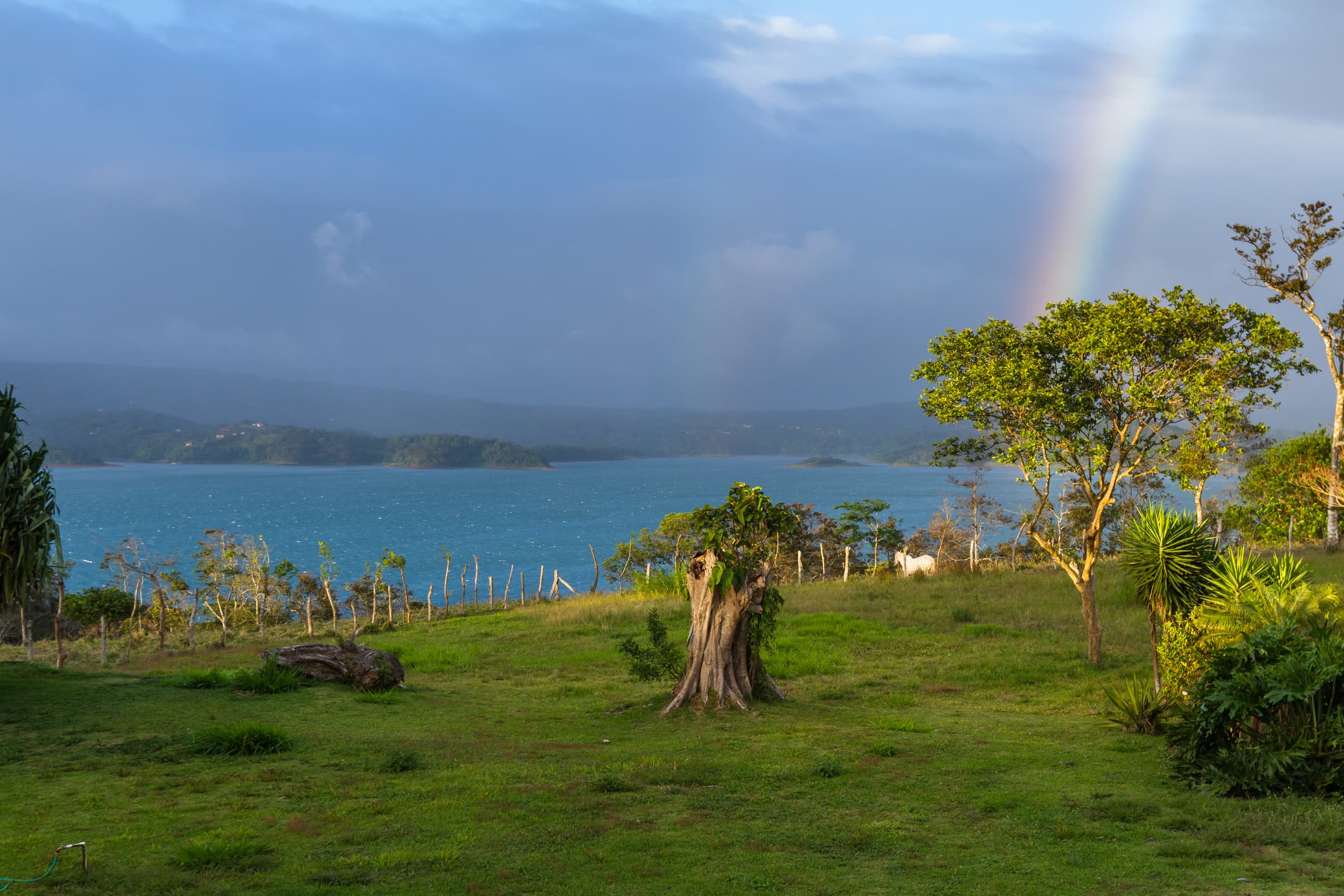
Lake Arenal, at the base of Arenal Volcano (which to many is the focus of the region), is the country’s largest landlocked body of water, with a surface that covers nearly 85 sq. km. (33 sq. mi.) and is nearly 60 meters (200 ft.) at its deepest point. The lake has been enlarged three times its original size with the construction of a hydroelectric dam in 1979. Today Lake Arenal’s dam generates more than 10% of Costa Rica’s electric energy.
The Northern Zone of Costa Rica boasts a diverse culture that is as varied as its climate. While the majority of the land is dedicated to agriculture, conservation is also highly valued in the region. As tourism continues to grow in the area, efforts to preserve and maintain local diversity of flora and fauna remain a top priority, including efforts at Braulio Carrillo National Park, Tortuguero National Park, Caño Negro Wetlands, and the Monteverde Cloud Forest.
At the top of the Continental Divide (approx. 1370 m. / 4500 ft.), the Monteverde Cloud Forest Reserve (as well as the Santa Elena Cloud Forest Reserve, and the Children’s Eternal Rainforest), is a unique microclimate enveloped in a perpetual cool mist that covers one of the most varied biological corridors in Costa Rica. These reserves are home to an array of significant species, including the Resplendent Quetzal, as well as over 500 types of orchids, contributing to the area’s immense biodiversity and beauty.
Climate
Costa Rica boasts 12 distinct climate zones, many of which are situated in the Northern Region, resulting in a diverse range of weather conditions. Monteverde is comparatively cooler and wetter than other parts of the country, lending the region its lush green foliage. Conversely, areas located on the lowland plains northeast of the Guanacaste and Central Volcanic mountain ranges experience warmer temperatures throughout the year.
While rainfall patterns are uniformly distributed across the Northern Region, highland areas such as Arenal and Monteverde receive a greater amount of precipitation compared to lowland regions. Temperatures also vary based on altitude, with daytime temperatures in lowland areas averaging around 30° C (86° F), while in the mountains, temperatures hover around 21° C (70° F). Nighttime temperatures in the mountains can drop to as low as 16° C (55° F), while the lowlands experience a milder low of 20° C (68° F).