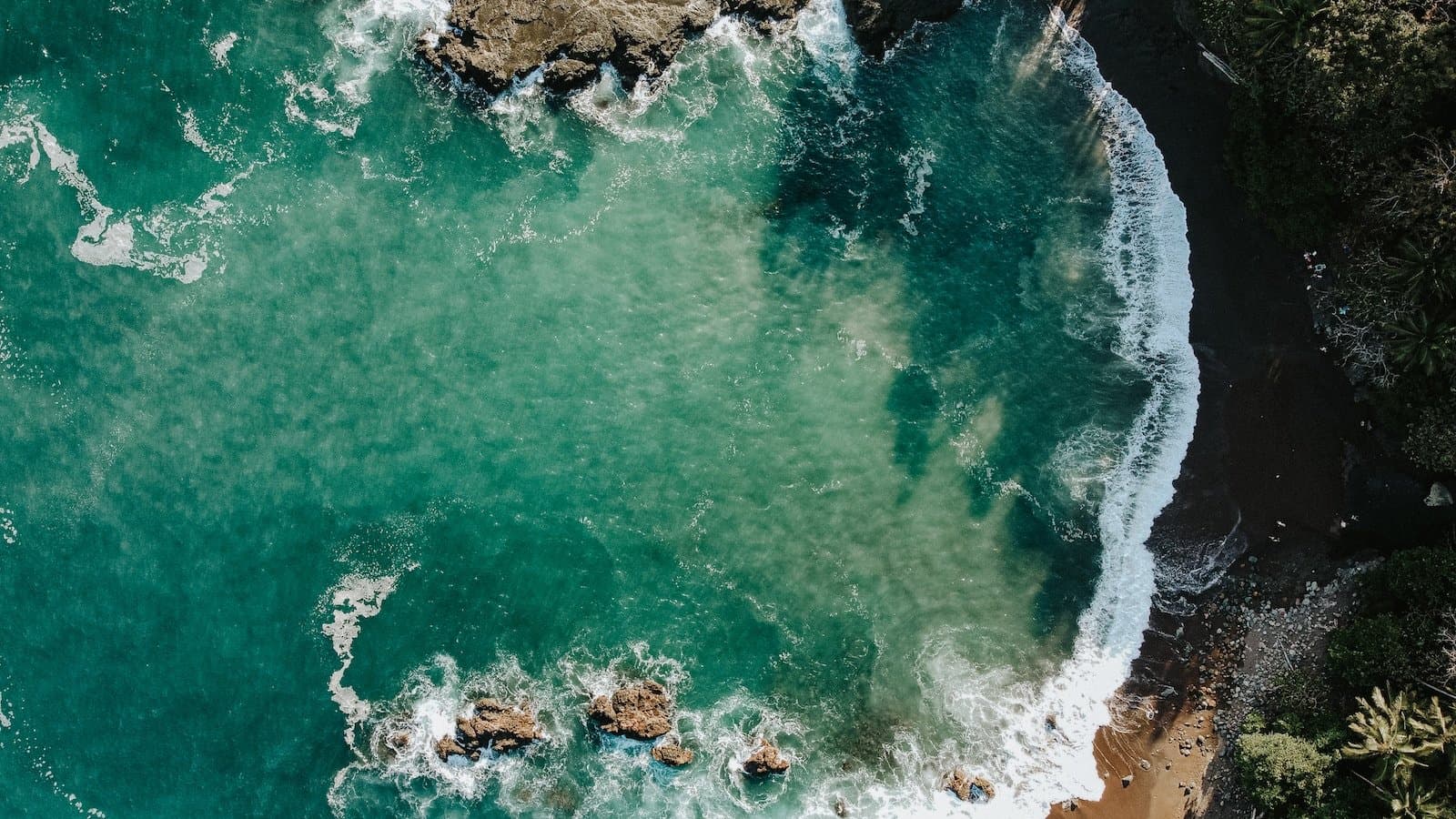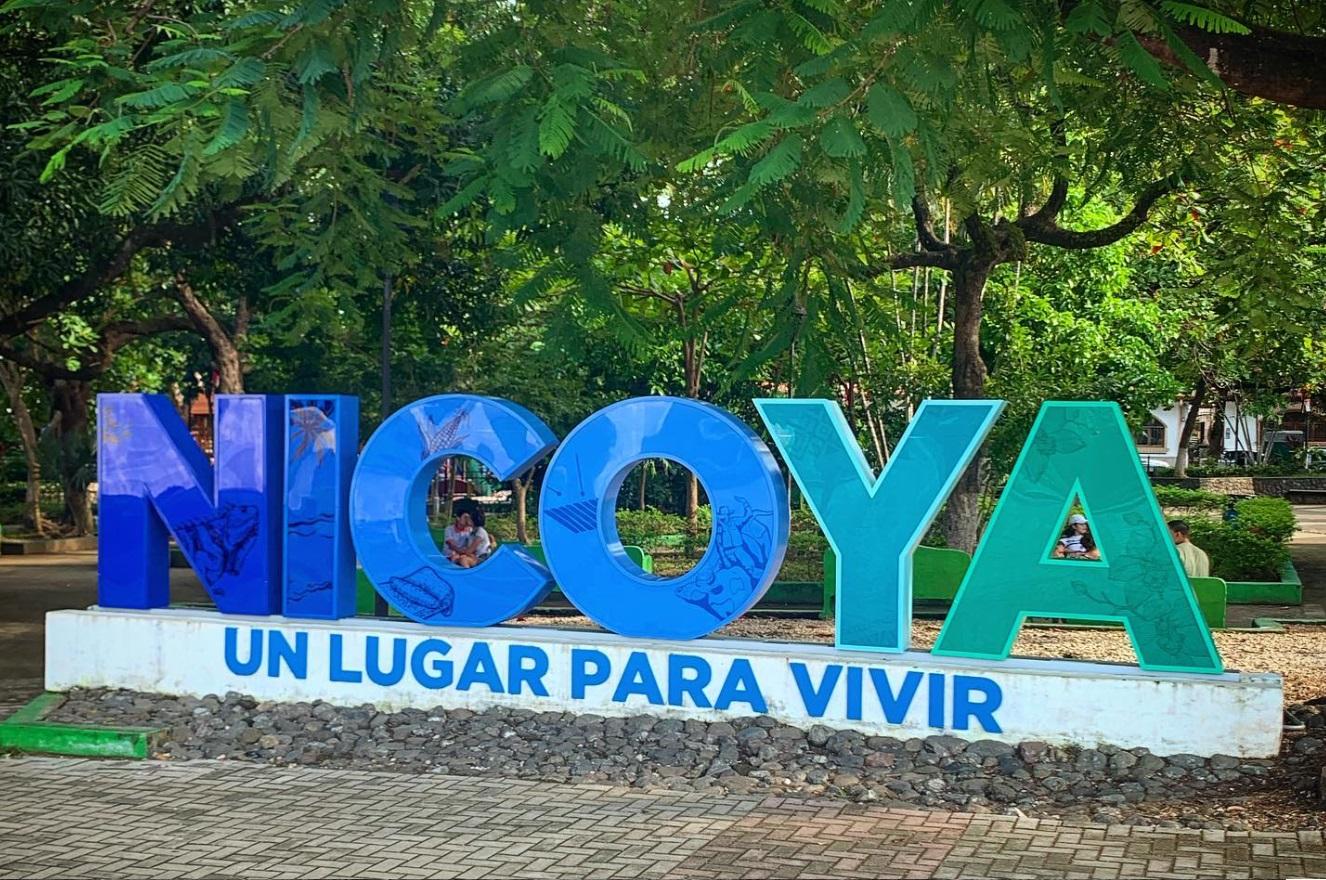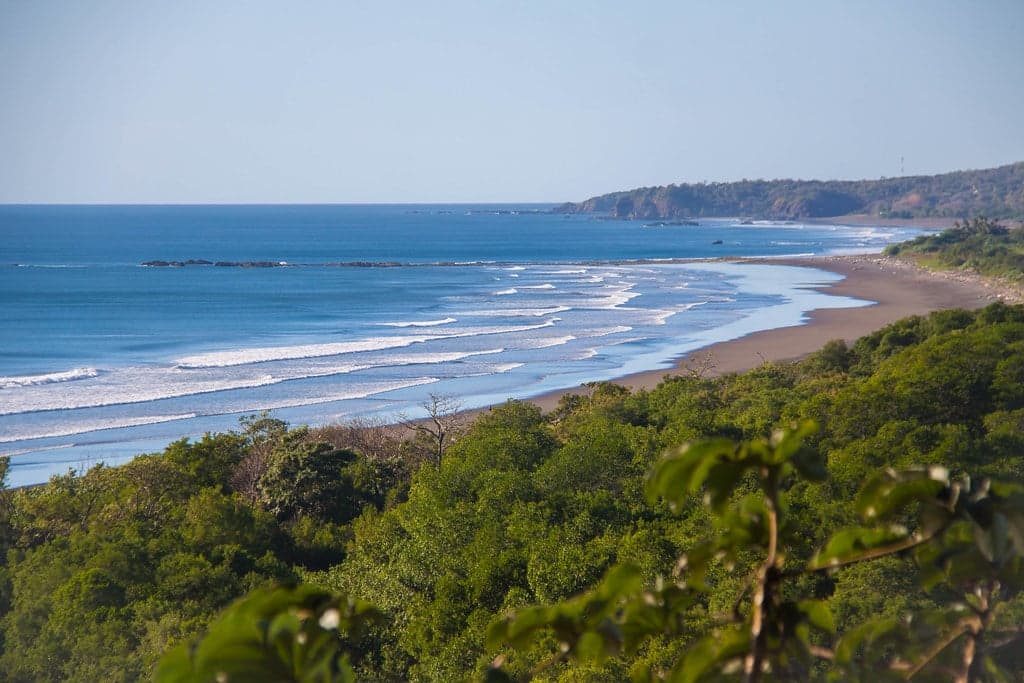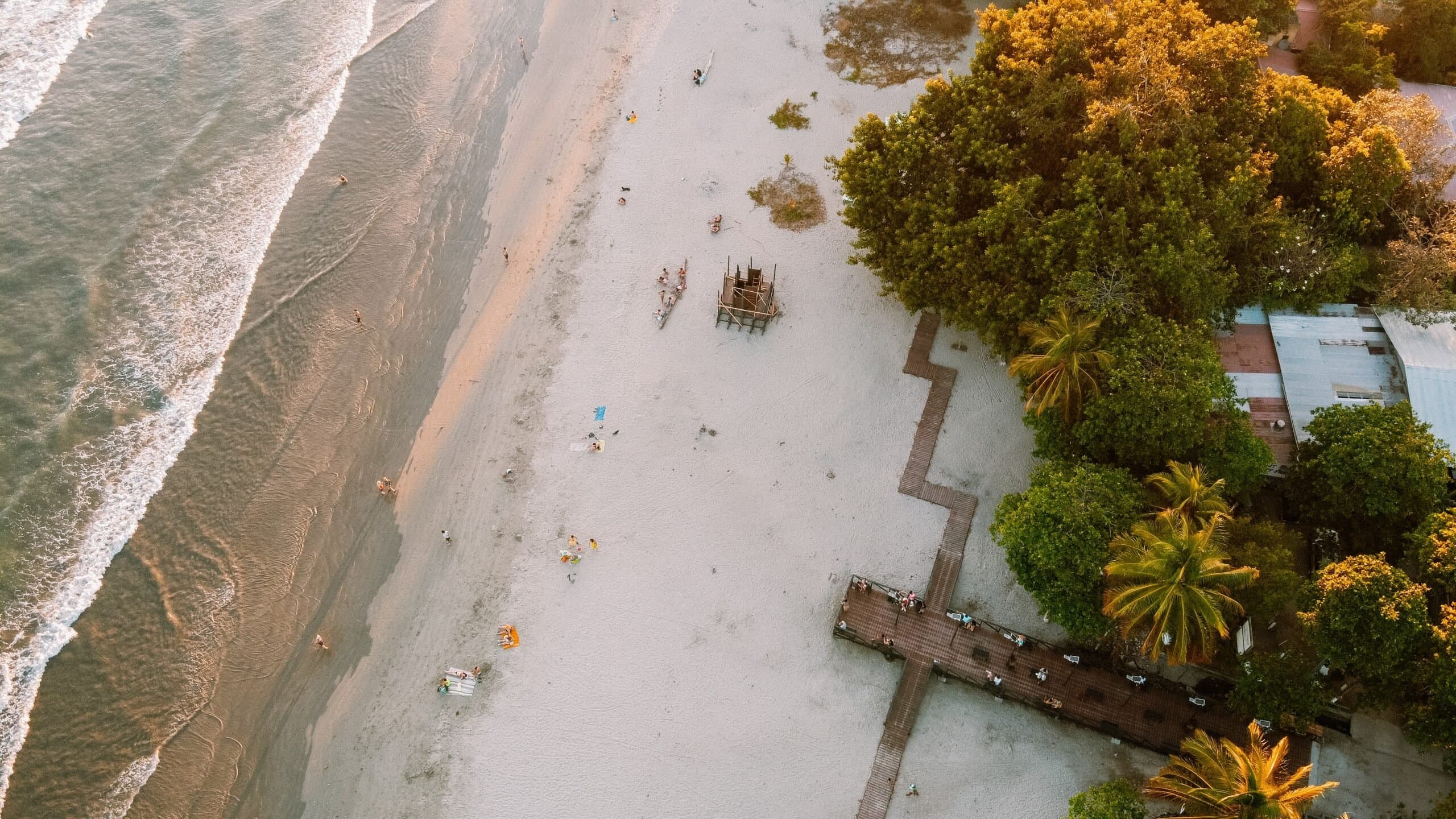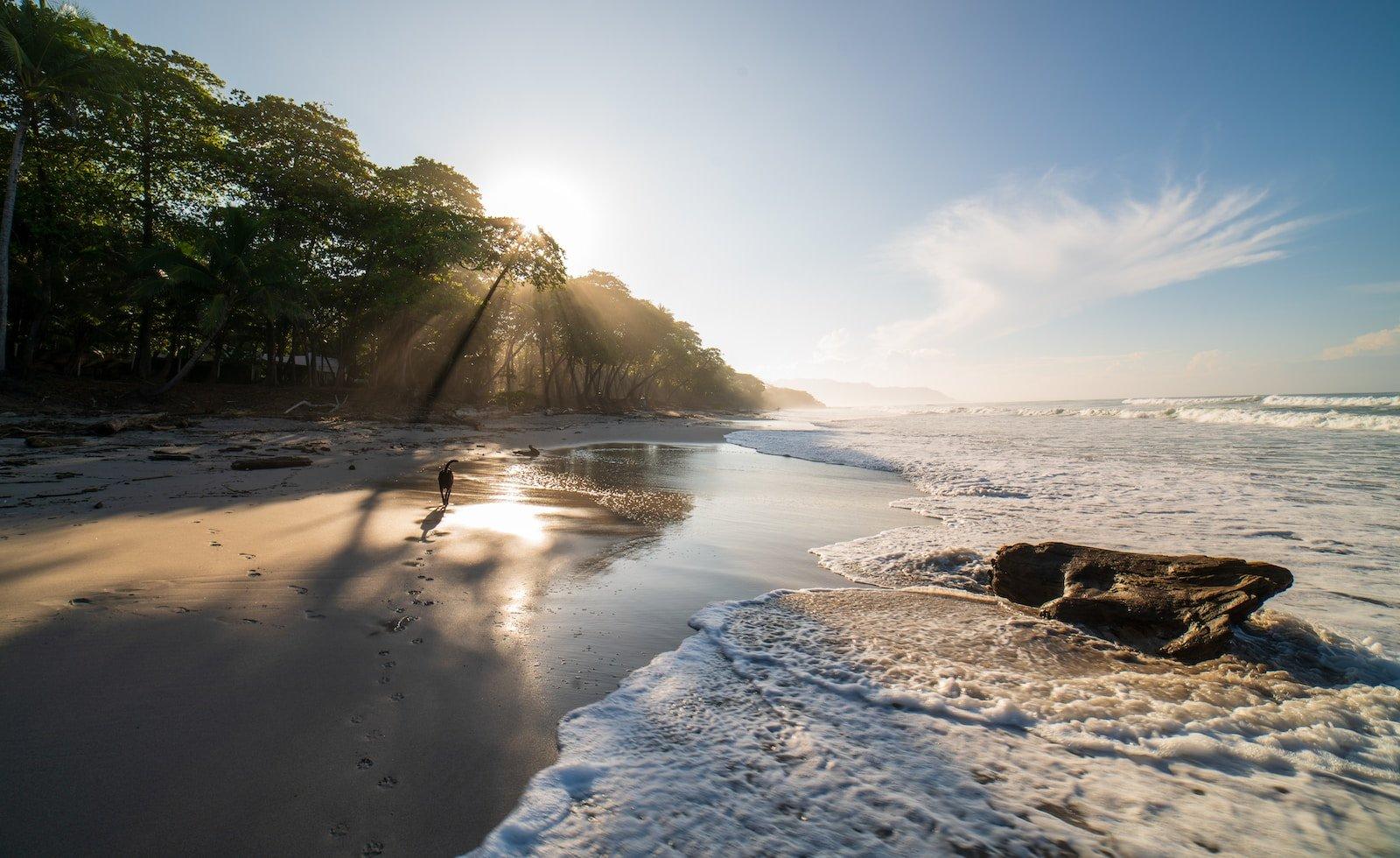
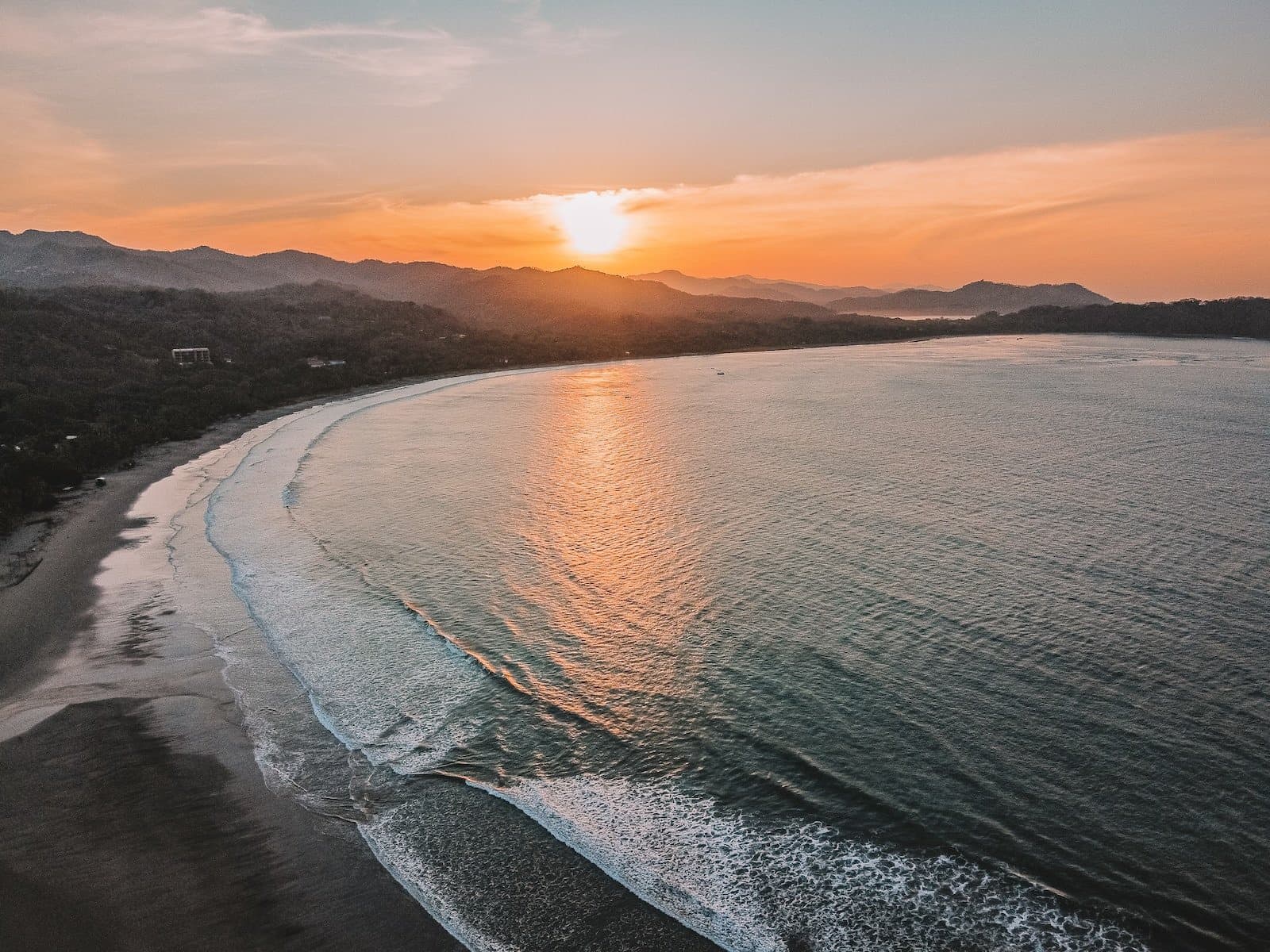
The Nicoya Peninsula (Península de Nicoya), situated on the Pacific coast, is the largest peninsula in Costa Rica. It spans two provinces, namely Guanacaste Province in the north (starting south of the “Gold Coast” but including Tamarindo), and Puntarenas Province in the south, and is approximately 140 km (85 miles) northwest-southeast and 65 to 96 km (40 to 60 miles) southwest-northeast. The Peninsula can be accessed via a highway that stretches north to Liberia, the capital of Guanacaste province, or by a ferry that connects the city of Nicoya to the mainland port of Puntarenas.
One of the unique features of the Nicoya Peninsula is the longevity and happiness of its citizens, making it one of only five Blue Zones in the world (areas where the highest percentage of residents live past 100 years of age). While agriculture and traditional cattle ranches dominate the interior regions and have distinctive traditions that come from the ranching communities of Guanacaste, the coastal areas, particularly the Southern Nicoya Peninsula, have seen significant growth in tourism and expat living, as has the interior of the region which is seeing growth of new and expanded communities. The stunning beaches and laid-back villages make Nicoya a desirable destination for visitors and expats alike, with world-class surfing and incredible baches that are nesting grounds for both Leatherback and Pacific Green turtles.
The charming and distinctive towns that dot the coastline cater to a range of tourists and internationals, from high-end travelers to ecotourists and those that want to a more bohemian lifestyle closer to the land. The region’s remoteness, with dramatic mountains cutting off much of the southern beaches into remote destinations, makes it a hidden gem that is worth the hassle of getting there. Although some say the laid-back vibe is becoming too popular, there is still an energy that is unique and quite wonderful.
It is worth noting that the region’s growing popularity and distance from distribution hubs mean that housing costs, as well as goods and services, can be expensive. Nonetheless, the Nicoya Peninsula remains an alluring destination for those seeking a unique blend of natural beauty, cultural traditions, and relaxed lifestyle.
Climate
The Nicoya Peninsula's weather can be viewed positively or negatively depending on one's tolerance for heat and humidity which is uniformly high much of the year. The region experiences two distinct seasons, namely the "summer" (December to April), characterized by guaranteed sun but also oppressive heat, and “winter” rainy season (May to November) known for heavy downpours that can limit some outdoor time, but also result in better rates for hotels and rentals. Even in rainy season the Peninsula’s beaches remain popular. The start of the winter season is known as the "Green Season" (May to August), a transitional period marked by more sporadic rain and lush, verdant scenery, including some of the best sunsets! The temperatures on the peninsula remain relatively consistent year-round, with highs ranging from 31°C (88°F) to 35°C (95°F). During the dry season, temperatures can exceed 36ºC (97°F), while the rainy season sees a dip to around 31°C (88°F) during the day and 22ºC (71.5°F) at night.